English


April marks a critical window for Q2 inventory preparation and summer product sourcing in the U.S. pet industry.
While many Chinese sellers are still struggling with FDA compliance and intense competition in the pet food sector, a high-margin, lower-barrier, multi-billion-dollar blue ocean market is opening up to Chinese manufacturers.
U.S. pet spending is shifting from “feeding” to “companionship” and “mobility.”
According to the latest data released by the American Pet Products Association (APPA) in March 2026, the U.S. pet market continues to expand. Notably, the fastest-growing segments are no longer traditional pet food, but functional products focused on pets’ emotional well-being and outdoor lifestyles.
Data shows that over the past year:
· More than 58% of U.S. pet owners increased spending on smart devices designed to ease separation anxiety
· Searches for outdoor travel safety gear (such as car safety seats and professional harnesses) grew by 42% year-over-year
· Eco-friendly products, such as recyclable or biodegradable litter boxes , have become trending items on social media, especially among Gen Z pet owners
These trends clearly indicate a fundamental shift:
In the post-pandemic era, pets are increasingly treated as true family members.
As a result, consumption is no longer limited to “feeding better,” but is expanding toward:
· Smarter living
· Safer travel
· Higher-quality lifestyles
For Chinese companies aiming to enter the U.S. market, choosing the right category is critical.
We must acknowledge a key reality:
The U.S. pet food and pharmaceutical markets have extremely high barriers to entry.
They are not only subject to strict FDA regulations, but are also heavily dominated by global giants such as Mars and
Nestlé, making it very costly for new brands to break through.
However, in the following categories, China’s supply chain holds a significant competitive advantage :
· Smart pet home products
(e.g., automatic feeders with remote control and health monitoring, self-cleaning litter boxes)
· Functional pet travel gear
(e.g., airline-approved hard carriers, expandable travel bags that convert into in-car sleeping pods)
· Pet cleaning appliances
(e.g., low-noise vacuum cleaners designed for pets, pet drying boxes)
More importantly, these non-food pet products do not require complex and costly FDA approval processes .
As long as they comply with general U.S. consumer safety standards (such as ASTM), they can enter the market quickly.
This significantly shortens the time from product development to market launch, allowing Chinese manufacturers to respond rapidly to emerging consumer trends overseas.
How can companies seize this opportunity and connect with U.S. buyers?
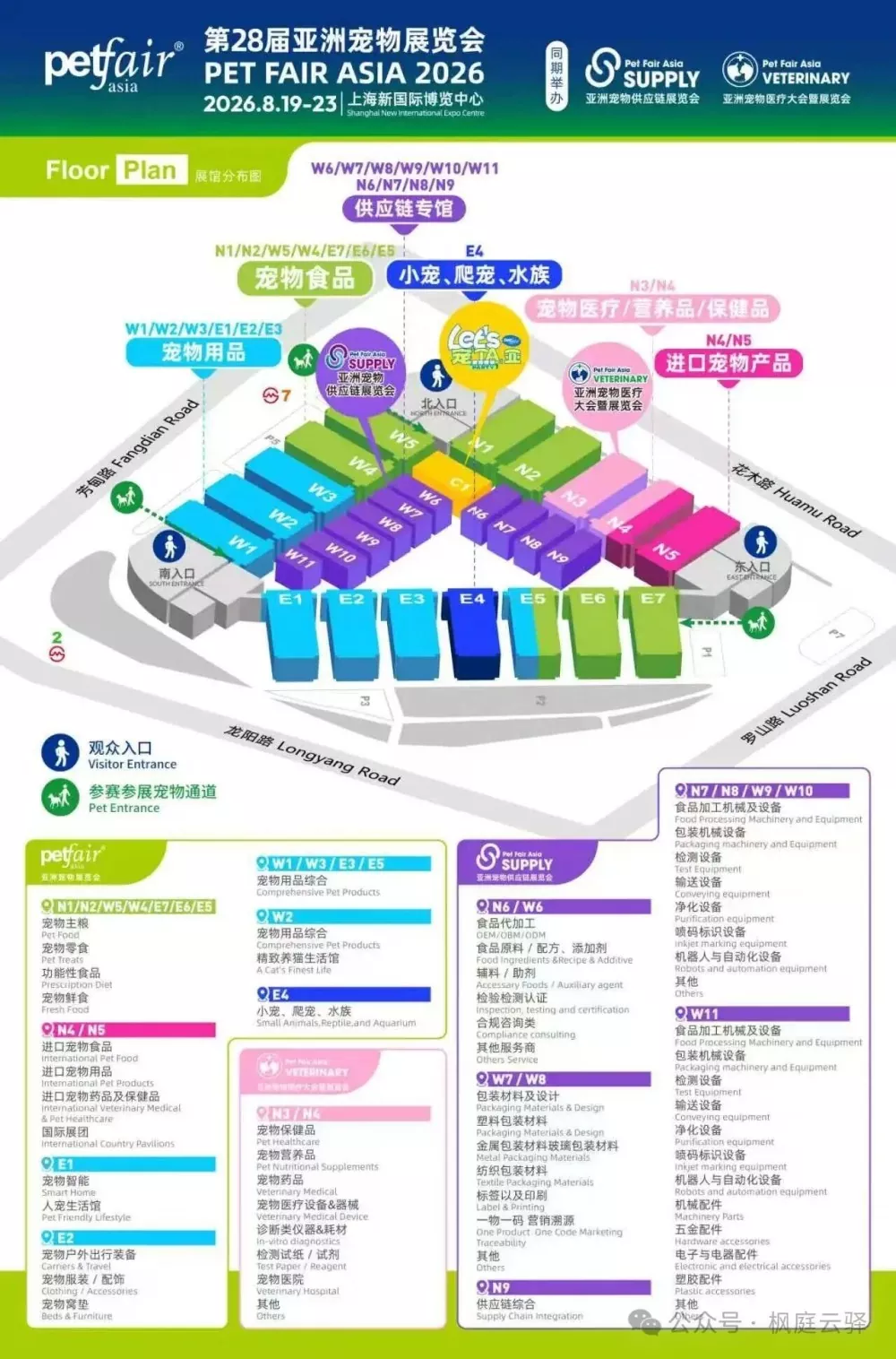
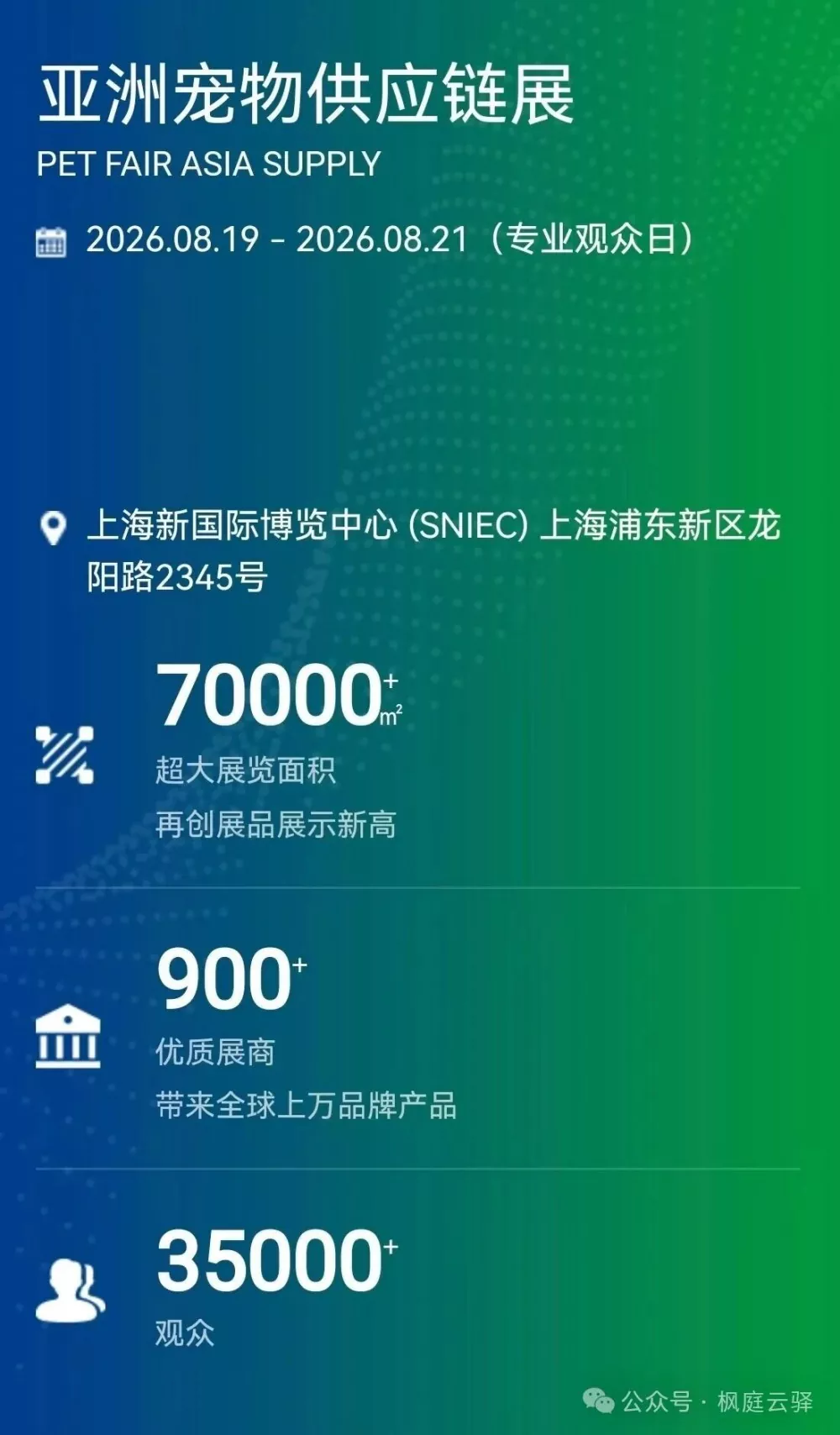
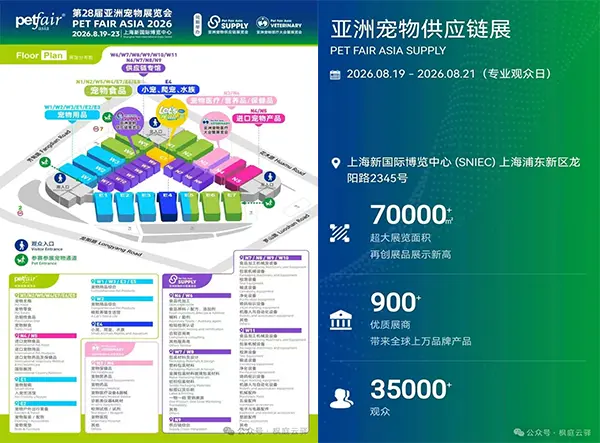
August’s Pet Fair Asia will be a key gateway.
Beyond national retail giants like Petco and PetSmart, the U.S. market also includes a large number of:
· Regional pet store chains
· Specialty boutiques
· Independent buyers
These buyers are highly active and:
· Have real purchasing demand
· Seek differentiated, high-value products
· Maintain closer relationships with suppliers
They are currently looking for:
· Innovative smart pet products
· Travel gear that combines functionality and design
· High-quality cleaning and care solutions
Pet Fair Asia is more than just an exhibition.
It serves as a direct business matchmaking platform , enabling:
· Face-to-face sourcing meetings
· One-on-one product selection discussions
· Direct access to core international buyers
For Chinese manufacturers, it is not just about showcasing products—
it is an opportunity to enter the U.S. distribution network and accelerate brand globalization.