English


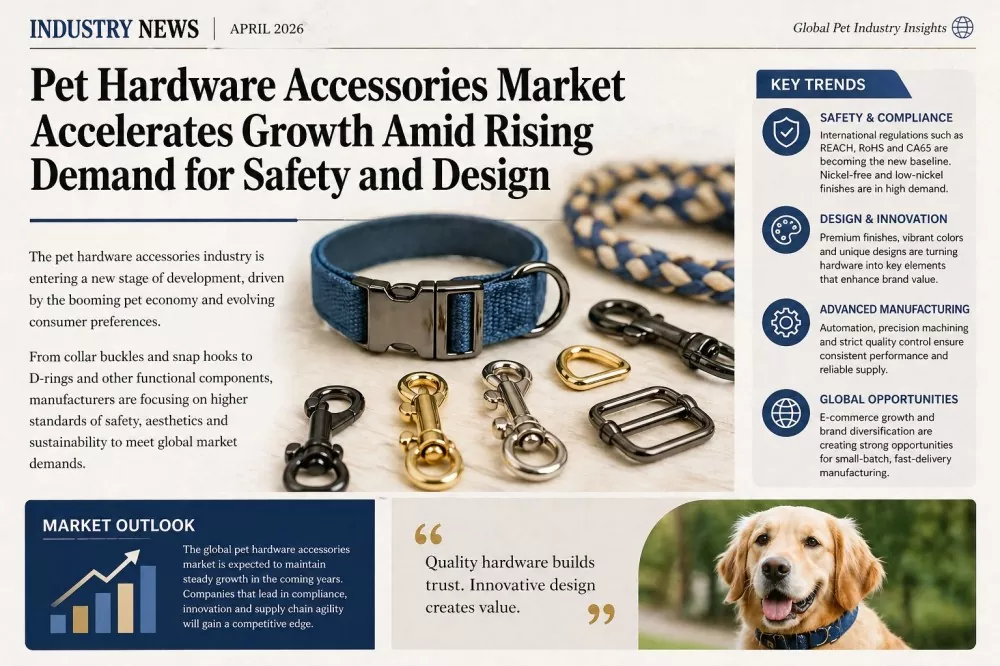
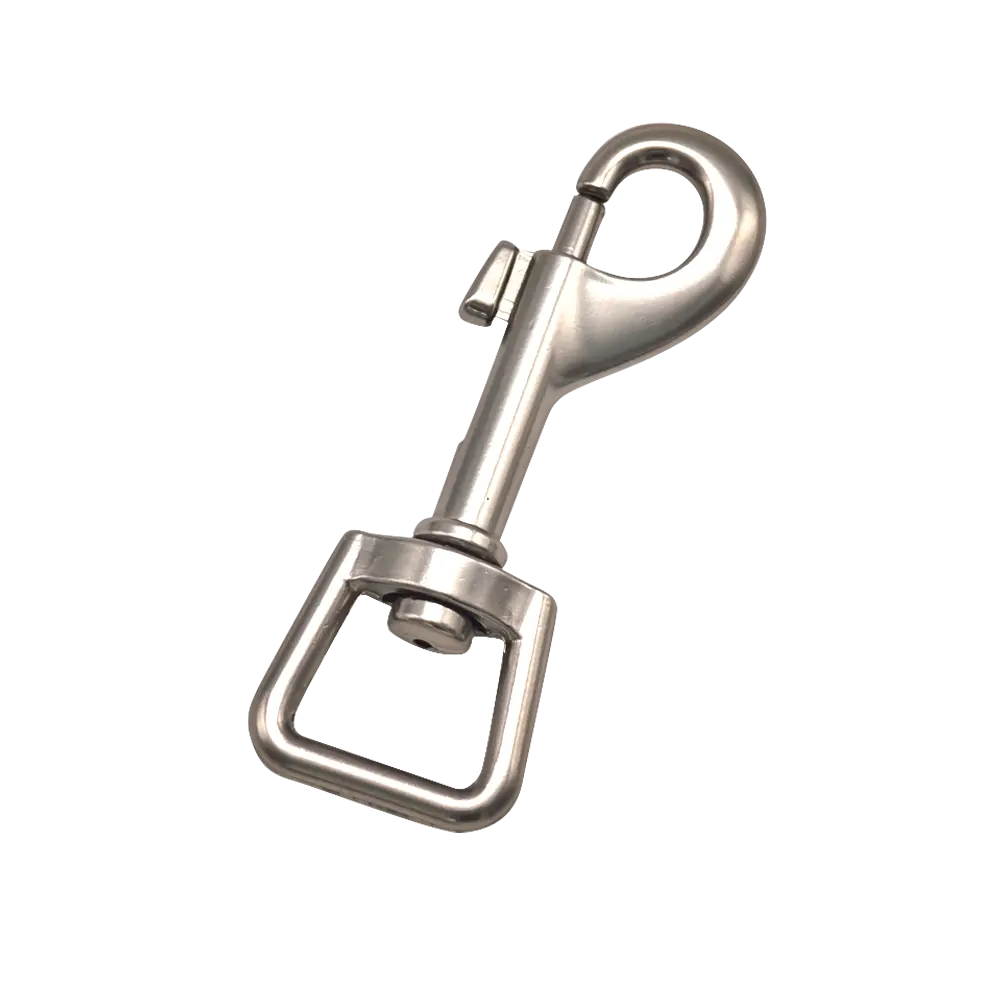
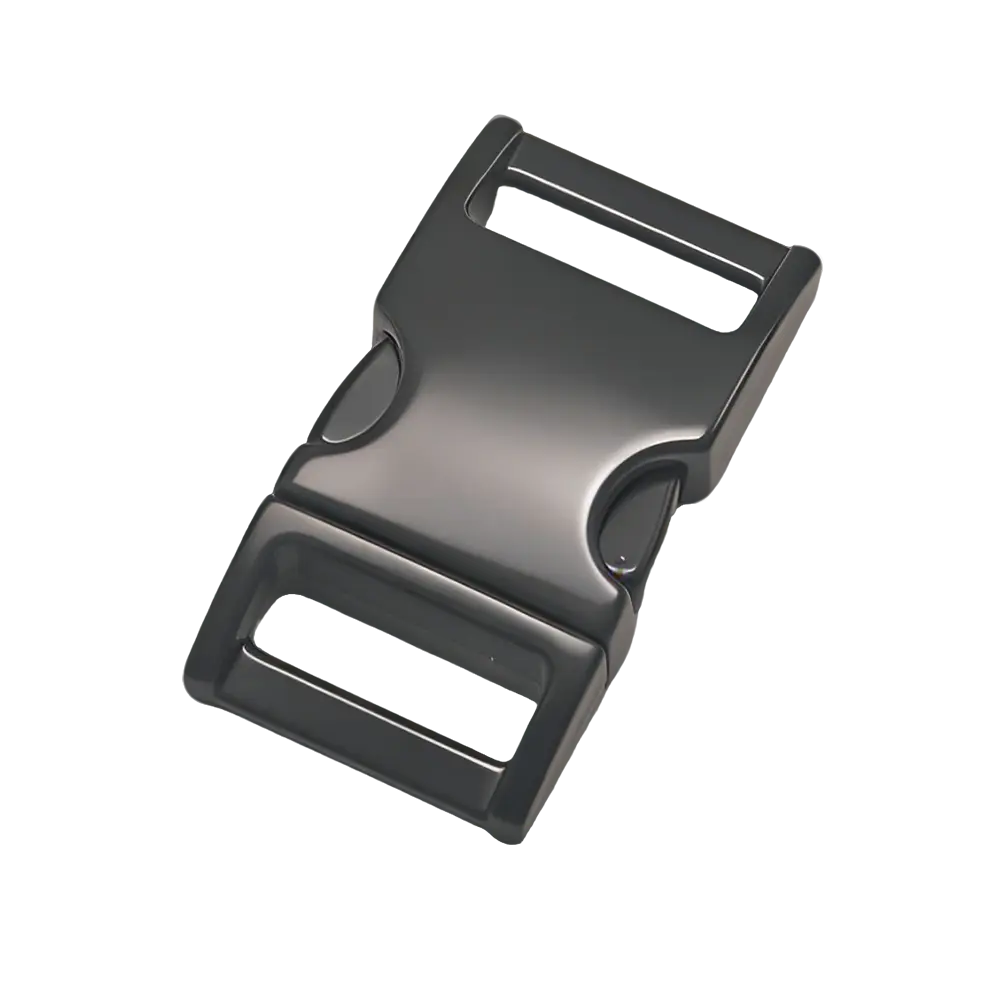
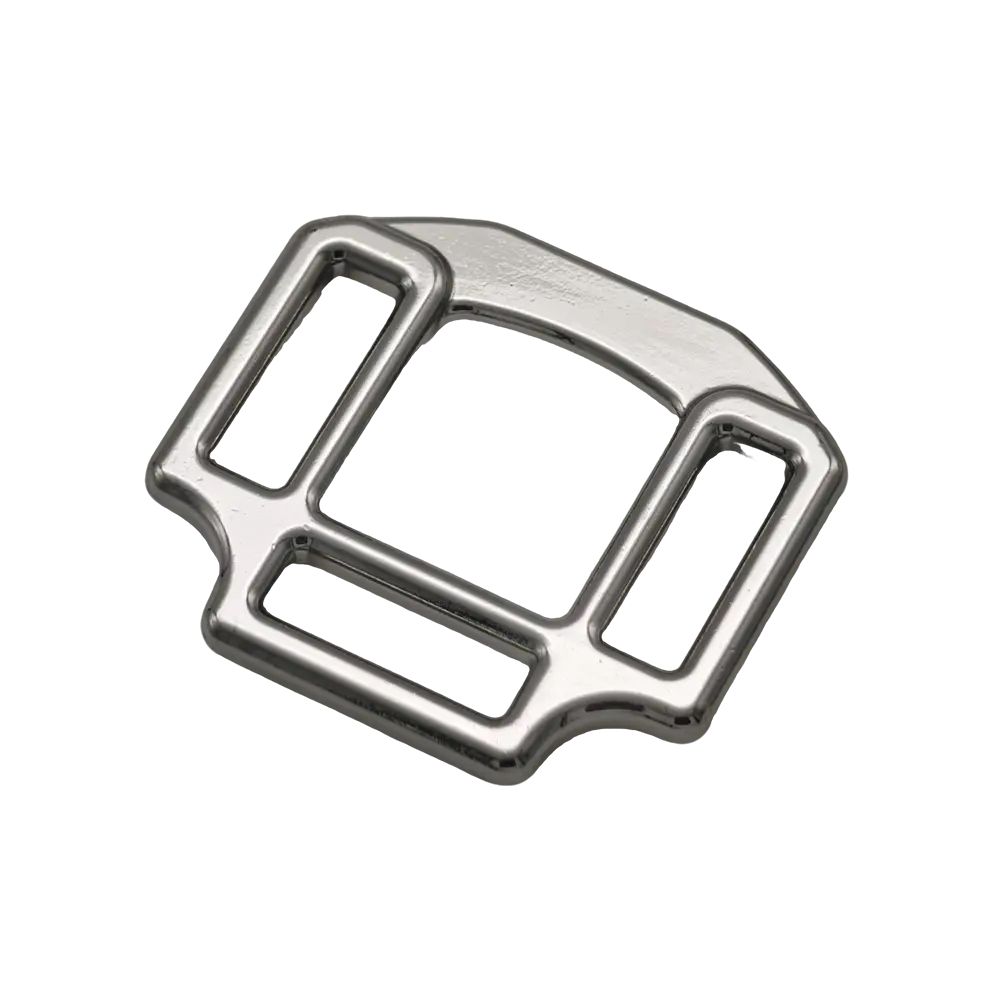
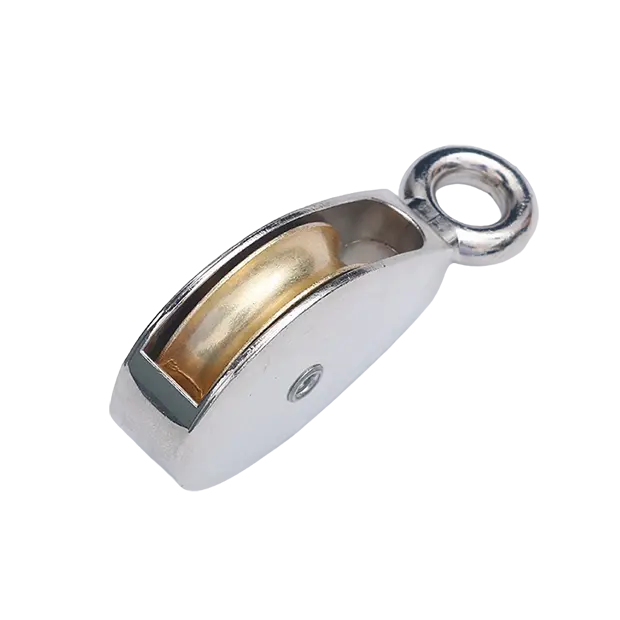
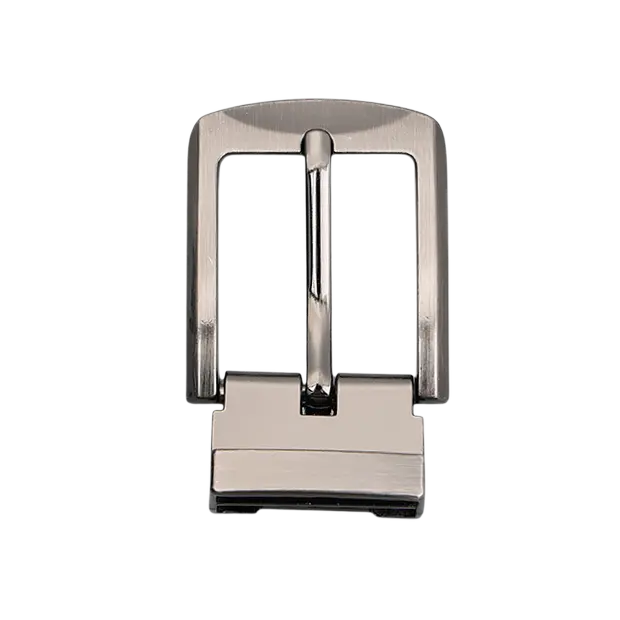
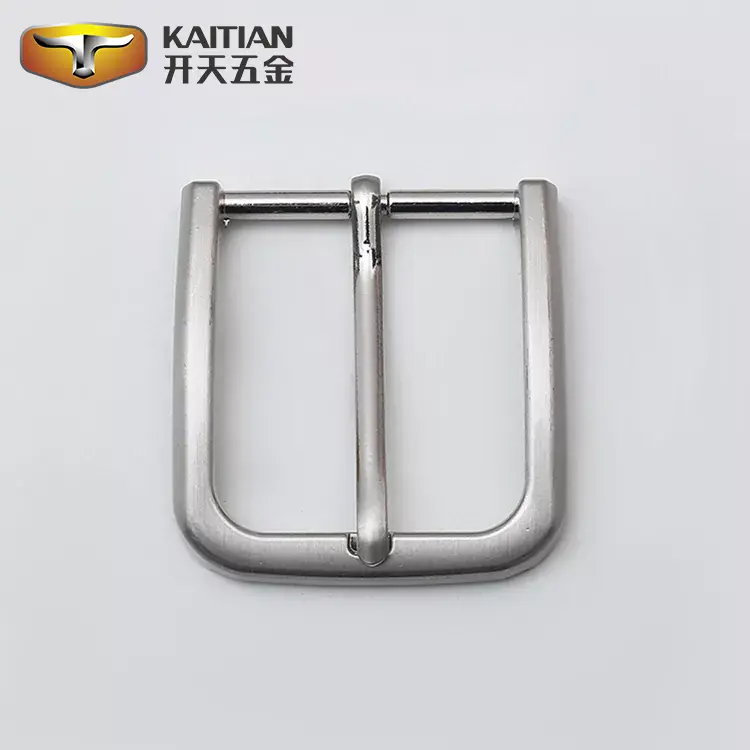
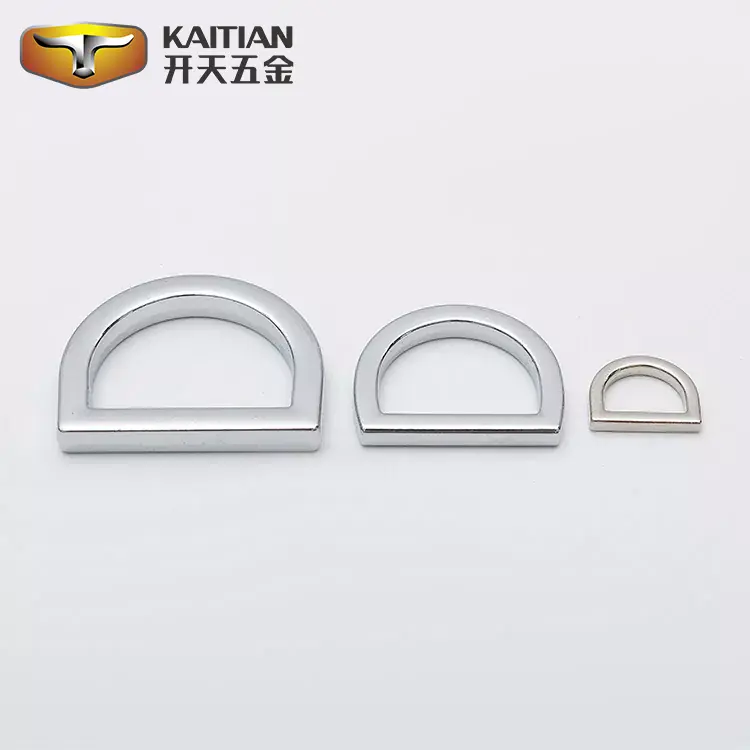
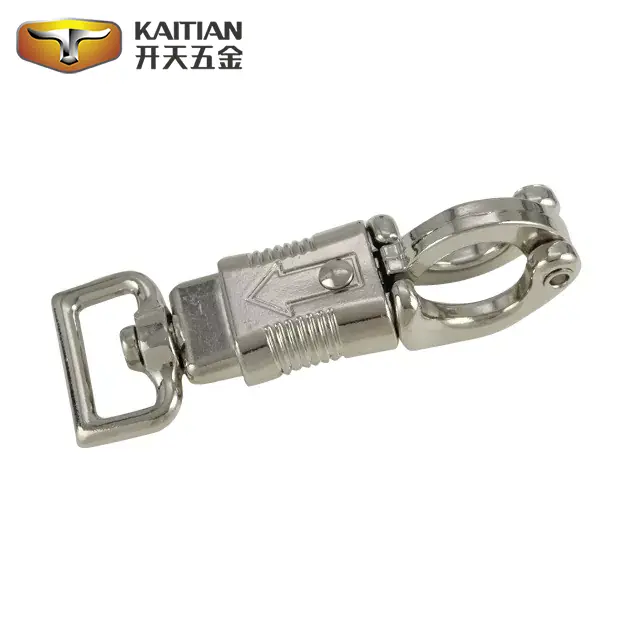
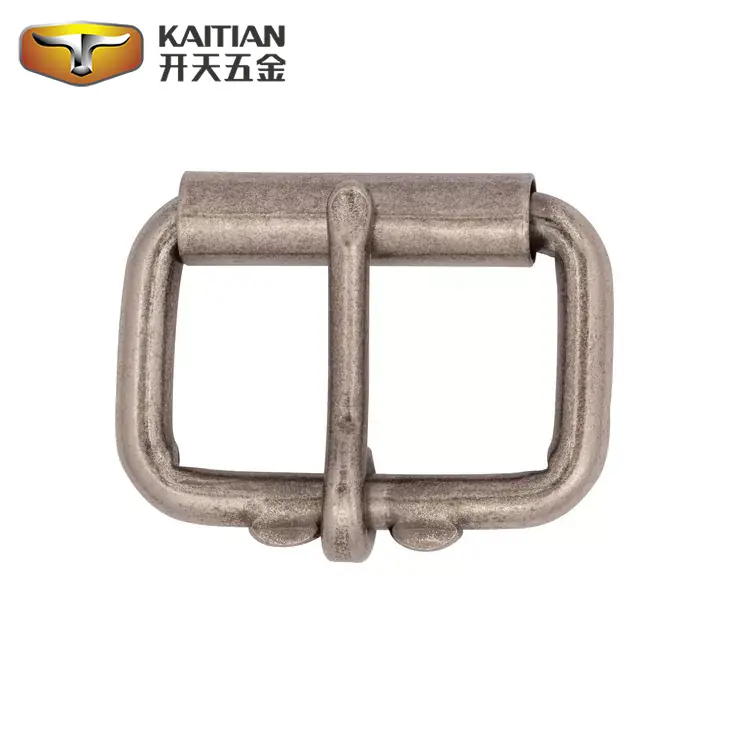
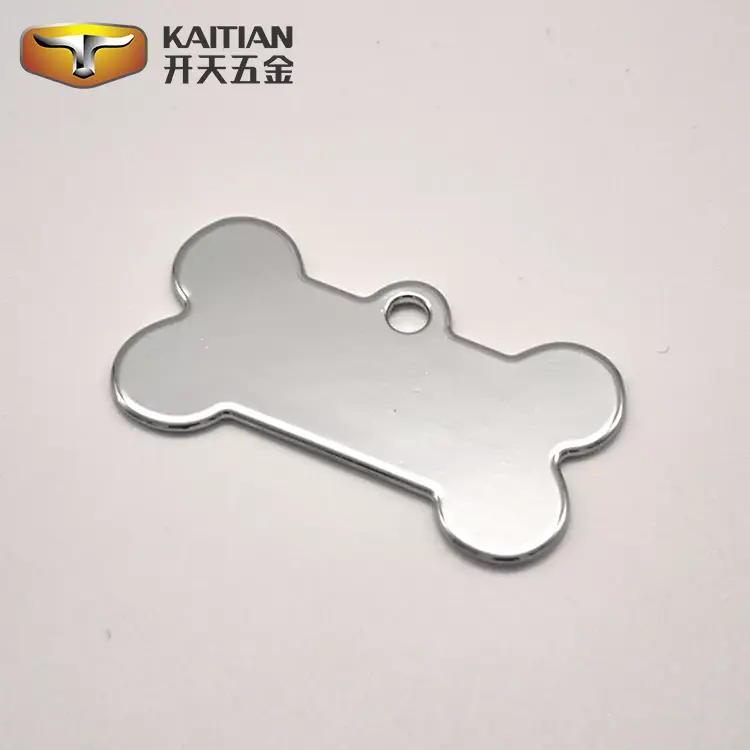
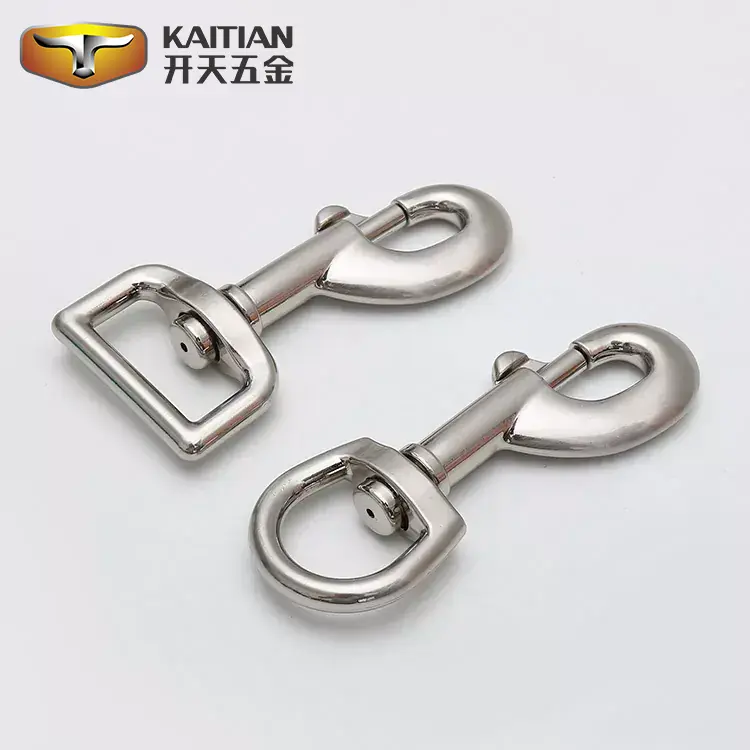
As the global pet economy continues to expand, the pet hardware accessories industry is entering a new phase of growth. From collar buckles, snap hooks, and D-rings to various functional connectors, market demand is not only increasing in volume but also evolving toward higher standards in quality, safety, and design.
According to industry insights, North America, Europe, and Australia remain the primary consumer markets for pet hardware accessories. Premium brands in these regions, in particular, are placing stricter requirements on product safety and compliance. Regulations such as REACH, RoHS, and CA65 have become essential entry thresholds for international markets. Among these, “Nickel Free” and low nickel release standards are gaining heightened attention from both brands and consumers, pushing manufacturers to continuously upgrade materials and surface treatment technologies.
At the same time, pet hardware is shifting from purely functional components to a combination of functionality and design. Leading brands such as ZeeDog and The Foggy Dog are placing greater emphasis on the aesthetic value of hardware, incorporating finishes like matte plating, vibrant “dopamine” color palettes, and high-end PVD coatings. As a result, hardware components are no longer just supporting parts, but key elements that enhance product value and brand identity.
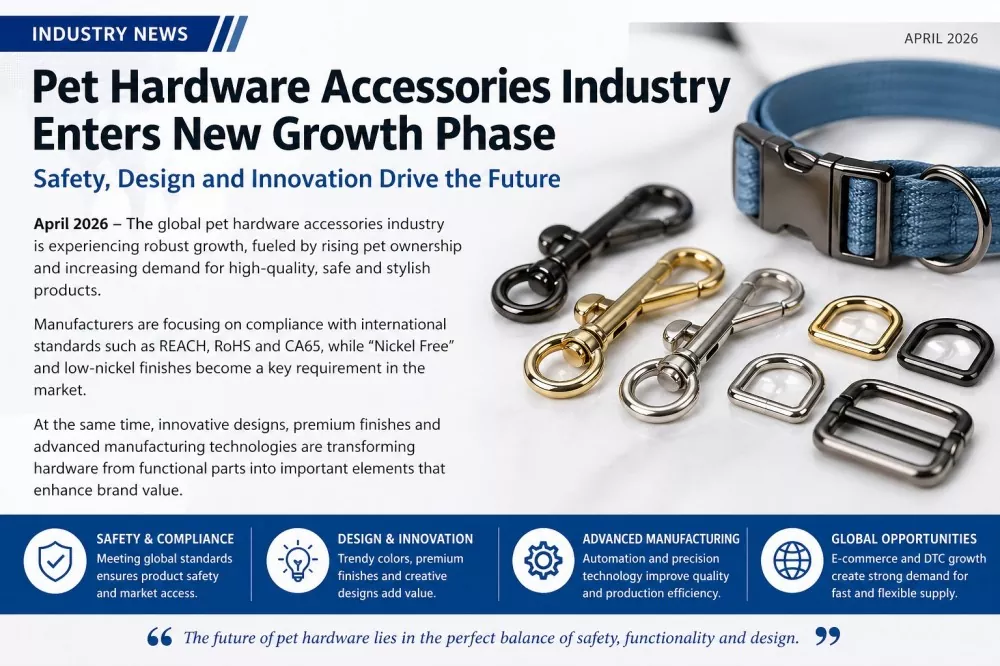
On the manufacturing side, the adoption of automation and precision technologies is accelerating industry transformation. CNC machining, automated polishing, and integrated plating lines are improving product consistency while significantly increasing production efficiency and delivery capabilities. In addition, rigorous quality control processes—such as tensile strength testing and wear resistance testing—have become standard practices for export-oriented manufacturers.
Industry experts suggest that future competition in the pet hardware accessories sector will center on three key factors: compliance with safety standards, product innovation, and supply chain responsiveness. With the rapid growth of cross-border e-commerce and direct-to-consumer brands, there is a rising demand for small-batch, multi-style, and fast-turnaround production—posing new challenges and opportunities for manufacturers.
Notably, as the trend of pet humanization continues, consumer expectations for pet accessories are increasingly aligned with those for human fashion products. This shift requires hardware manufacturers not only to excel in production, but also to enhance capabilities in design collaboration, brand understanding, and market insight.
Overall, the pet hardware accessories industry is transitioning from a manufacturing-driven model to one focused on brand value and innovation. For manufacturers with strong technical expertise and a global perspective, this represents a significant opportunity for growth and transformation.